
Many homeowners in Ottawa deal with basement moisture at some point. After all, with the four seasons in full force in the city, heavy rain, spring thaw, and clay-heavy soil all put pressure on a home’s foundation. Sometimes the signs are obvious, while other times, they sneak up slowly and cause damage before you realize what’s happening.
So, how do you know if your basement needs waterproofing? Below are seven early warning signs that point to moisture problems, and why it’s smart to deal with them sooner rather than later.
1. Persistent Musty Odours
If your basement smells damp or musty, it’s usually a sign of a moisture issue. These odours come from excess moisture trapped in porous materials like concrete, wood, and drywall. Even if you don’t see water, moisture may still be getting in.
Musty air can affect indoor air quality throughout the house. Mould spores can travel upstairs and trigger allergies or breathing issues. A dry basement helps keep the whole home healthier.
2. Water Stains on Basement Walls or Floors
Water stains are one of the most common visible signs of water penetration. You might notice dark patches on basement walls, floors, or around window wells. In some cases, mineral deposits show up as a white, chalky residue on foundation walls.
These stains usually mean water seepage from groundwater pressure or poor drainage around the home. Even if the water dries up later, it still counts as moisture intrusion.
3. Peeling Paint or Bubbling Drywall
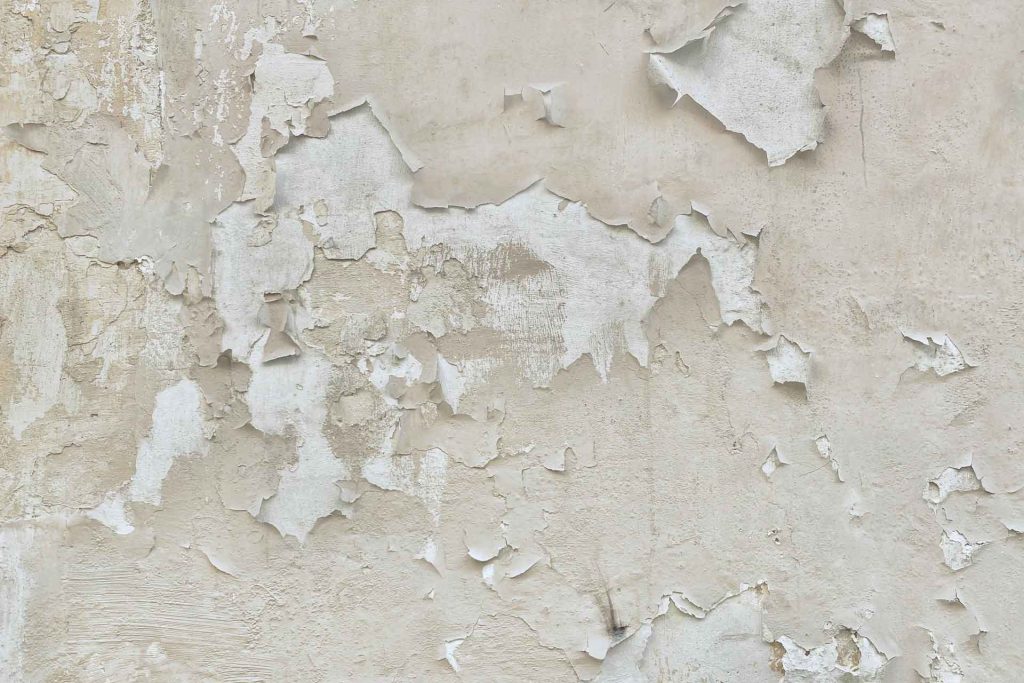
Paint doesn’t peel for no reason. When moisture builds up behind basement walls, it pushes paint off the surface. Drywall may bubble, soften, or crumble near the bottom of the wall.
This is a clear sign that basement waterproofing may be needed. Water often seeps in slowly through small cracks, then evaporates, leaving damage behind.
4. Damp Floors or Pooling Water
A damp basement floor after heavy rainfall is a big warning sign, and you may also see pooling water or even standing water near floor drains or low spots.
These indicators are often signs that hydrostatic pressure is pushing groundwater up through the basement floors. If a sump pump or submersible pump is already installed but can’t keep up, the system may need attention.
Over time, damp floors can lead to mildew growth, damaged flooring, and unnecessarily expensive repairs.
5. Visible Mould or Mildew Growth
Visible mould on walls, floors, or stored items means there’s too much moisture in the space. Mould naturally thrives in dark, damp areas and spreads quickly.
Besides damaging surfaces, mould growth affects air quality and can trigger allergies. Metal furniture may rust, cardboard boxes break down, and anything stored in the basement can suffer water damage.
At this point, waterproofing your basement becomes more than a comfort issue but a more urgent matter of protecting your home and health.
6. Hairline Cracks in Walls or Floors
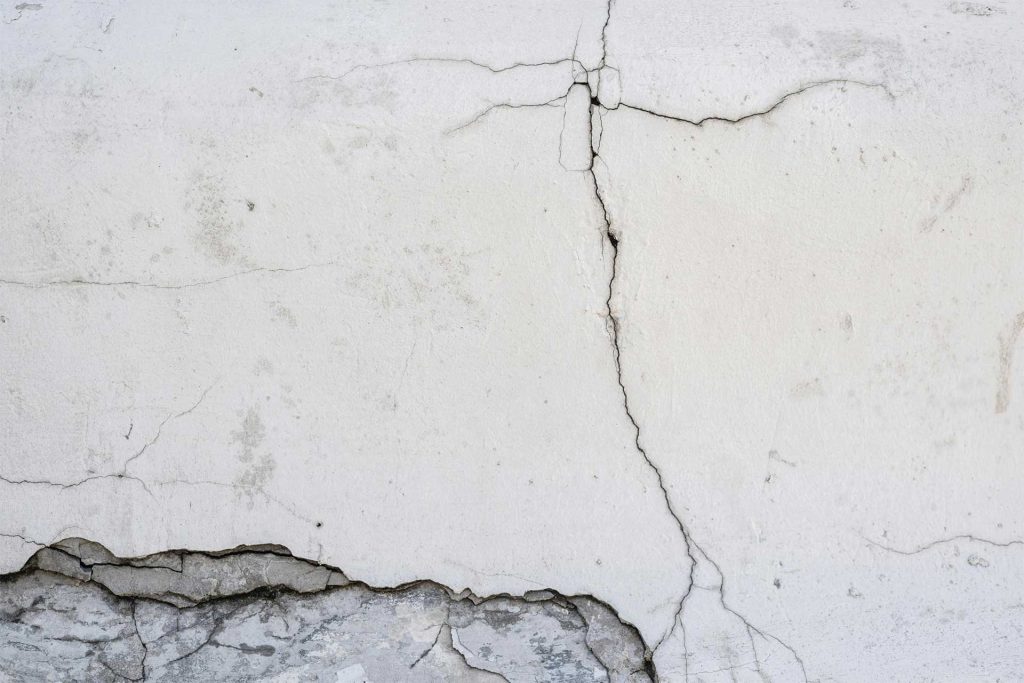
Small cracks in foundation walls or basement floors might not look serious, but they often allow water to seep in. During heavy rain or spring melt, groundwater pressure forces water through these weak spots.
After days, months, and even years, moisture can widen cracks and lead to structural damage. Spotting issues early protects your foundation and keeps repair bills from piling up.
7. Basement Leaks During Heavy Rain
Even if basement leaks only show up during heavy rainfall, that still counts as a problem. Poor drainage, blocked weeping tile, or failing waterproof membranes often cause this type of issue.
Water may enter through window wells, wall joints, or where walls meet floors. Even occasional leaks raise the risk of foundation problems and long-term moisture damage.
Why This Matters in Ottawa
Ottawa homes face unique challenges. Clay soil holds water, and freeze-thaw cycles increase water pressure around foundation walls. Without proper basement waterproofing, moisture problems tend to get worse over time.
A wet or damp basement lowers property value and limits extra living space. Too often, homeowners put off repairs until the damage becomes obvious and a lot more expensive.
Interior vs. Exterior Waterproofing
Interior waterproofing helps manage water that has already entered the basement, whether through drainage systems, sump pumps, or trench-filled channels along the basement floor.
Exterior waterproofing stops water before it reaches the foundation. It involves excavating around the home’s foundation, applying a waterproof membrane, and improving drainage. It’s an option that deals directly with groundwater pressure and direct water contact.
Which one you need depends on the home, soil conditions, and signs present. A waterproofing contractor can explain what makes sense for your situation.
When to Call a Waterproofing Company
If you notice more than one of these warning signs, it’s time to talk with a waterproofing company. Early action helps prevent moisture problems from turning into structural damage.
The right waterproofing contractor will look at drainage, foundation walls, basement floors, and water pressure around the home’s foundation. From there, they can recommend proper basement waterproofing that fits the problem, rather than a one-size solution.
ProCore provides trusted foundation repair and basement waterproofing for your home in Ottawa. With years of experience and a commitment to making your home livable and safe, you can trust us to keep your home healthy and dry year-round.