
Structural Repair Services in Ottawa
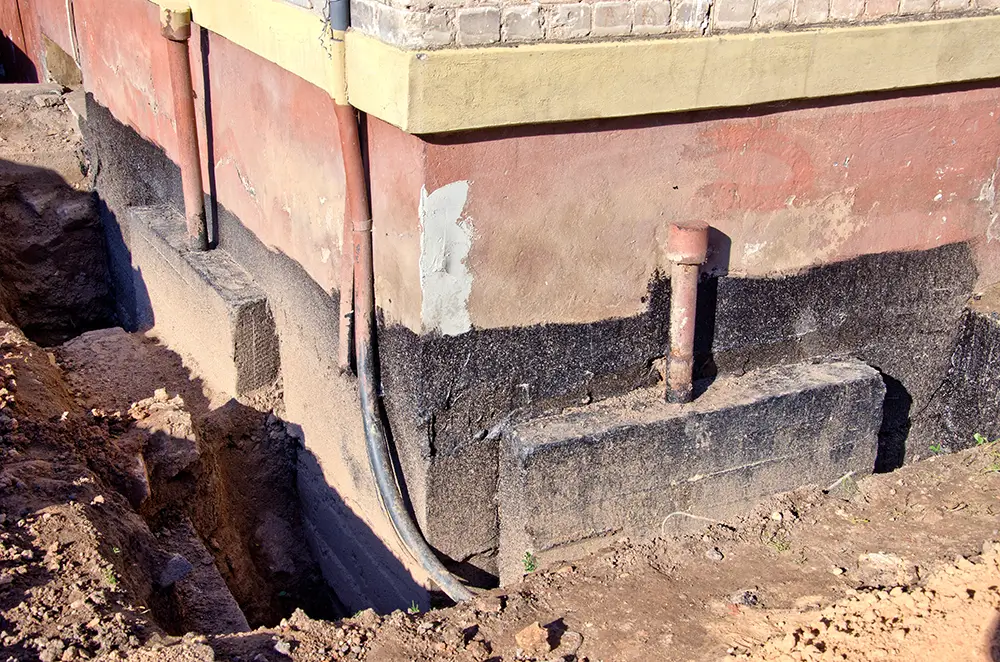
Protect Your Home with the Right Structural Repair
ProCore Foundations provides residential structural repair services for homeowners throughout Ottawa. From foundation movement and bowing walls to damaged support beams and sagging floors, our experienced foundation specialists assess the problem before developing a repair plan for your home.
We provide thorough inspections, clear recommendations and structural repairs designed to address the underlying problem and protect your home from further damage.




Structural Repairs That Protect Your Home for the Long Term
Structural problems can develop gradually as foundations settle, soil conditions change, or moisture affects supporting components. Left unaddressed, movement can place additional stress on foundation walls, floors and other parts of the home.
Not every visible crack or change is necessarily a structural problem. Some cracks are associated with normal movement or cosmetic deterioration, while others can indicate conditions that require repair. The location, direction and extent of movement all help determine what is happening.
That is why professional assessment matters. Rather than repairing a visible symptom alone, ProCore looks at the surrounding structure and foundation to identify what needs to be stabilized or repaired and recommend an appropriate long-term solution.
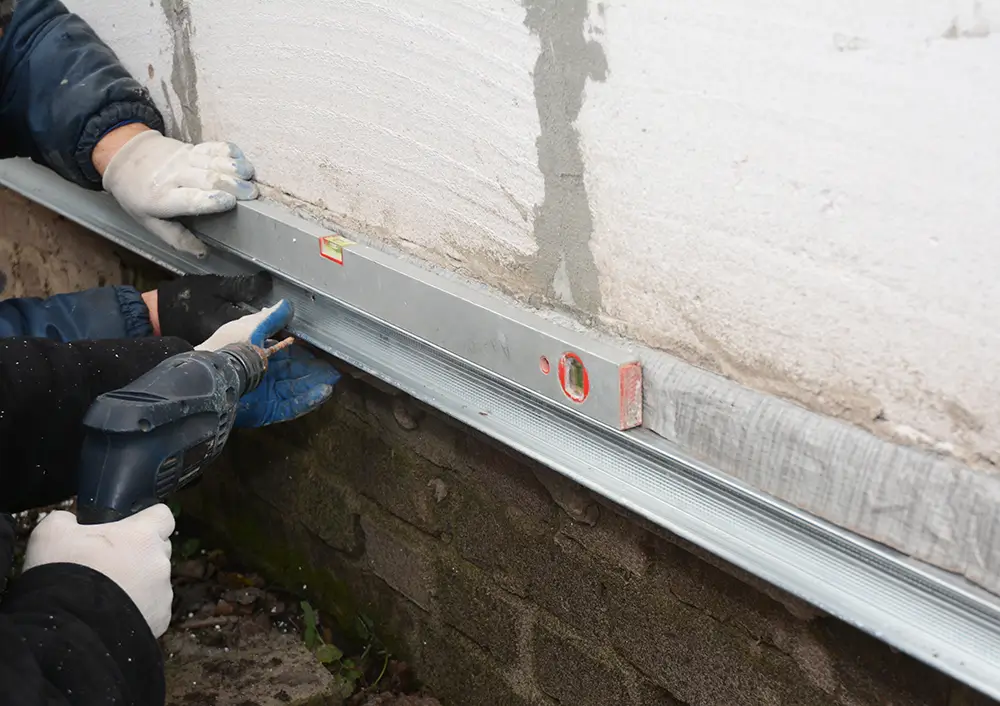

Common Signs Your Home May Need Structural Repairs
Changes around your home can indicate foundation movement or other structural concerns. Signs worth having professionally assessed include:
- Large or widening foundation cracks
- Stair-step cracks in brick or masonry
- Bowing or leaning basement walls
- Uneven or sloping floors
- Sagging floors
- Doors or windows that begin sticking
- Gaps between walls and ceilings
- Water infiltration around foundation cracks
- A chimney pulling away from the home
- Visible foundation settlement
One symptom alone does not necessarily mean major structural repairs are required. An inspection can help determine what is causing the change and whether corrective work is needed.
Our Structural Repair Services
Foundation Stabilization
Push Piers
Push piers are used to stabilize foundations that are settling or sinking. Signs that foundation settlement may require additional stabilization include widening cracks, uneven floors, sticking doors or windows, or visible changes in the foundation’s position. When the conditions are appropriate, push piers can help stabilize the affected foundation and prevent continued movement.
Because not every settlement problem requires piers, ProCore first assesses the foundation, the extent of movement and the conditions contributing to it. Push piers may be recommended when deeper support is needed to provide long-term foundation stabilization.
Foundation Underpinning
Structural underpinning is used to strengthen and stabilize an existing foundation that is affected by settlement, movement or inadequate support.
It may be recommended when settlement has compromised the foundation or when existing support is no longer adequate for the structure. The appropriate underpinning strategy depends on the cause and extent of movement, so the foundation needs to be assessed before a repair method is selected.
Structural Crack Repair
Foundation cracks can provide important clues about how a foundation wall is performing. While some cracks are related to normal movement or non-structural deterioration, others can indicate that a wall is experiencing structural stress or movement.
ProCore assesses the crack itself as well as the surrounding foundation to determine what may be causing it. Where cracking is associated with wall movement, repairing the visible crack alone may not address the underlying problem. Structural reinforcement, including carbon fibre reinforcement, may be recommended to help stabilize the affected wall.
Large Foundation Cracks
Large, widening or progressing foundation cracks should be professionally assessed to determine whether structural movement is occurring. The size of the crack is only one consideration; its direction, location and changes over time can provide additional information about what is happening within the foundation.
Depending on the conditions identified, the repair may involve addressing the crack itself, reinforcing the affected area or investigating whether broader foundation stabilization is required.
Corner Cracks
Cracking around foundation corners can develop where structural stresses are concentrated or movement is affecting adjoining sections of the foundation. Because the location and pattern of the cracking matter, the surrounding wall and foundation should be assessed rather than treating the crack as an isolated problem.
When corner cracking is associated with structural movement, carbon fibre corner strapping may be used to reinforce and stabilize the affected area.
Horizontal Cracks
Horizontal cracks in foundation walls can be an indication that the wall is experiencing inward pressure or movement. Soil pressure, moisture conditions and other forces acting against the foundation can contribute to this type of cracking.
ProCore assesses the extent of the cracking and any accompanying wall movement to determine the appropriate repair. Where conditions are suitable, carbon fibre reinforcement may be used to strengthen the wall and help prevent further inward movement.
Some cracking or movement may require additional structural evaluation before a repair strategy is finalized. Where appropriate, involvement from a structural engineer can help determine the extent of the structural concern and the requirements for repair.
Wall Reinforcement
When foundation cracking is associated with wall movement or structural stress, reinforcement may be needed to address the underlying condition rather than the crack alone. Carbon fibre is ProCore’s primary method for reinforcing foundation walls where the conditions are appropriate.
The repair method depends on where movement is occurring and how the wall has been affected. Two common applications are bowing wall repair and corner strapping.
Bowing Wall Repair
Foundation walls can bow inward when pressure from the surrounding soil exceeds the wall’s ability to resist that force. Horizontal cracking can be one indication of this type of movement.
For suitable conditions, carbon fibre reinforcement can be installed along the affected wall to provide additional structural support and help resist continued inward movement. Before recommending reinforcement, ProCore assesses the degree of bowing, crack pattern and overall condition of the wall to determine whether carbon fibre is appropriate or further structural evaluation is required.
Corner Strapping
Foundation corners can experience cracking and movement where adjoining walls meet. When the condition requires structural reinforcement, carbon fibre corner strapping can be used to strengthen and stabilize the affected area.
ProCore assesses the cracking, surrounding foundation and evidence of movement before determining whether corner strapping is appropriate. This helps ensure the repair addresses the structural condition behind the cracking rather than simply improving its appearance.
Floor Reinforcement
Sagging, uneven or inadequately supported floors are separate from foundation wall reinforcement and require an assessment of the floor system and the structural components supporting it.
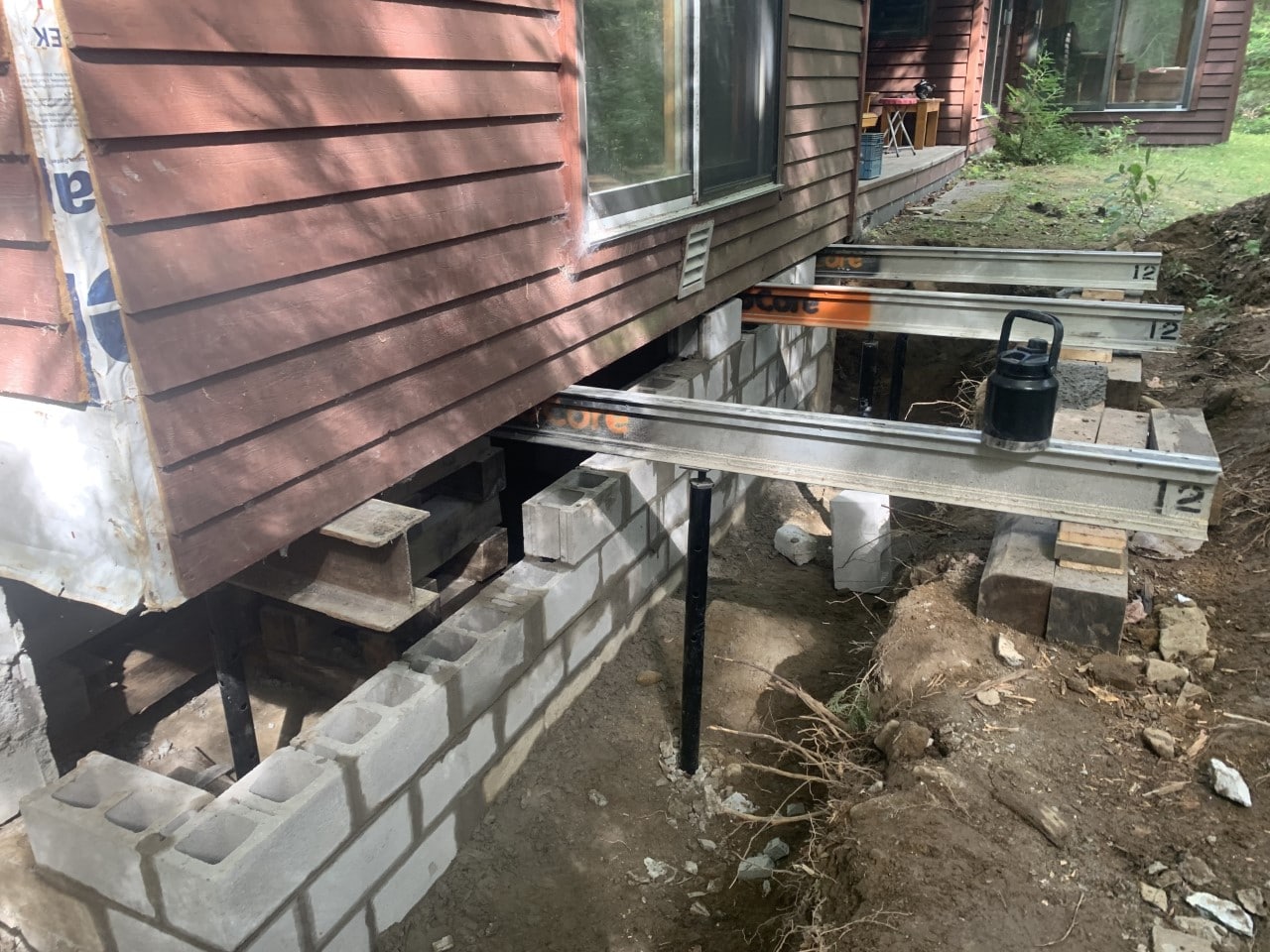
ProCore evaluates beams, posts and other relevant supports to identify where the floor system has been compromised or requires additional support. Depending on the conditions, the repair may include jackposts, beam reinforcement or beam replacement.
Jackposts
Jackposts provide additional support beneath beams and floor systems when existing structural components no longer provide adequate support. They may be used to address sagging or uneven floors and help stabilize compromised floor structures.
Depending on the condition of the structure, jackposts may be installed as part of a broader repair that includes beam reinforcement or replacement. ProCore assesses the floor system and supporting components to determine where additional support is required and how the repairs should work together.
I-Beams and Beam Reinforcement
Steel I-beams and other beam reinforcement methods can be used within floor systems where additional structural support is required. The appropriate approach depends on the existing framing, the condition of the supporting components and the reason the floor has begun to sag or move.
ProCore assesses how the floor system is supported and where additional reinforcement is needed before recommending a repair strategy.
Beam Replacement
Support beams help carry the loads above them and maintain the stability of floors and other parts of the home. Over time, wood rot, moisture damage, deterioration or other conditions can compromise their ability to perform properly.
Signs of a beam problem can include sagging or uneven floors and visible deterioration of the beam itself. ProCore assesses the affected structure before replacing damaged support beams with appropriate new supports designed to restore stability and provide a durable repair.
What Causes Structural Damage in Ottawa Homes?
Ottawa foundations are exposed to changing soil and moisture conditions throughout the year.
- Freeze-thaw cycles can cause the ground around a foundation to expand and contract, while heavy rainfall and spring snowmelt can increase the amount of water in surrounding soils.
- Poor grading or drainage can add to these conditions by allowing water to collect near the foundation. Saturated soil can increase pressure against basement walls, contributing to cracking or inward movement in vulnerable foundations.
- Soil characteristics, aging foundation materials, tree roots and settlement following construction can also influence how a foundation performs over time.
Because several factors may contribute to the same visible symptom, determining the cause is important when choosing an effective repair.
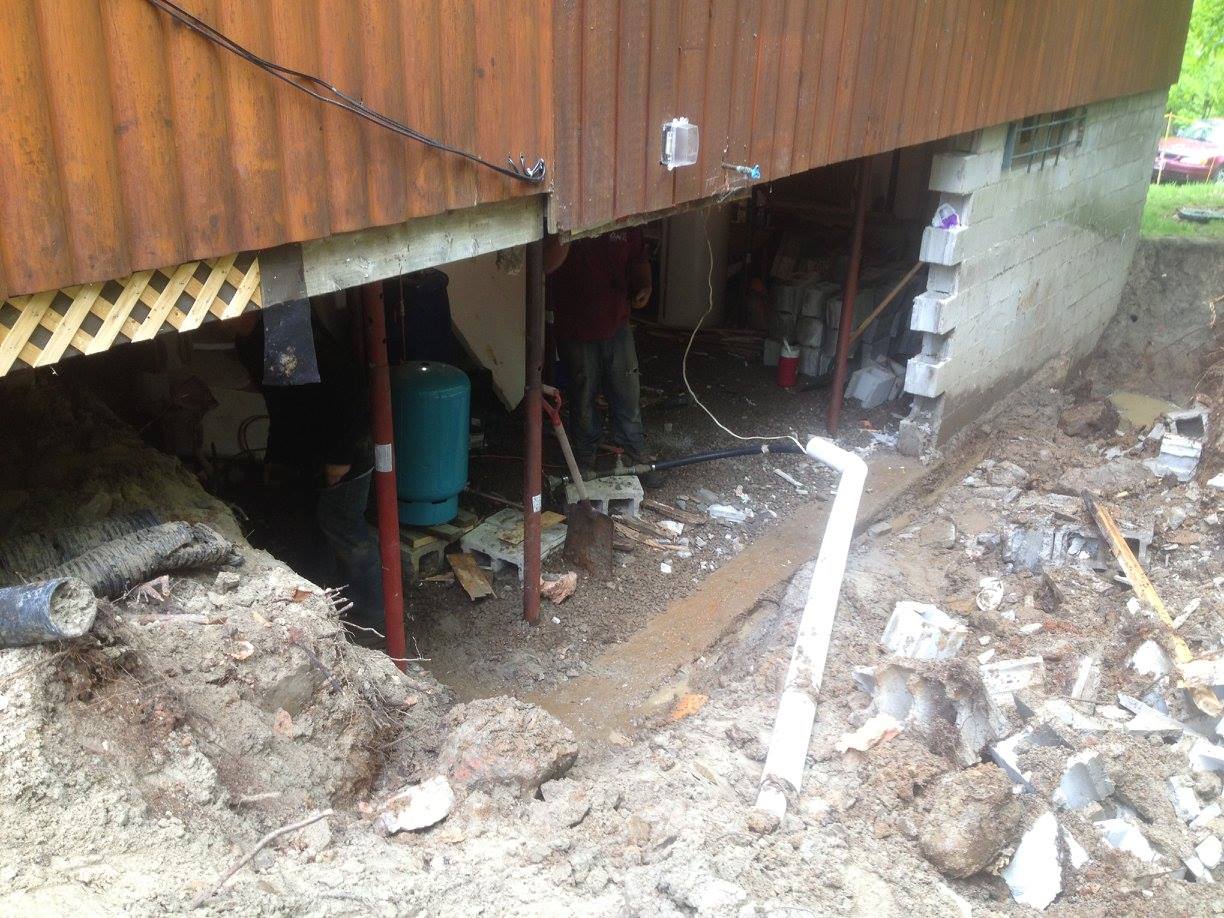
Our Basement Waterproofing Process
1. Free Consultation
Tell us what you have noticed and where changes are appearing around your home.
2. Comprehensive Structural Assessment
We assess the affected areas, foundation and relevant conditions to determine what is happening and the extent of the problem.
3. Customized Repair Plan
We explain our findings, what needs to be corrected and the recommended repair approach, along with clear project pricing.
4. Professional Structural Repairs
Our team completes the required stabilization or repair work using quality materials and methods suited to the conditions identified.
5. Final Inspection & Recommendations
We review the completed work and provide relevant recommendations to protect the repaired area going forward.
Why Choose ProCore for Structural Repairs?
Experienced Structural Repair Specialists
ProCore has experience diagnosing and repairing a range of residential foundation and structural problems. Our team combines foundation expertise with careful assessment so the repair addresses the condition identified at your home.
Local Knowledge
Ottawa’s freeze-thaw cycles, soil and drainage conditions can all affect foundations. Understanding these local factors helps our team evaluate why movement may be occurring and develop a repair strategy suited to the property.
Quality Materials & Proven Repair Methods
Structural repairs need to do more than improve the appearance of a damaged area. ProCore uses durable materials and appropriate repair methods with careful attention to installation and long-term structural performance.
Honest Assessments
Not every foundation crack requires extensive structural work. We inspect the problem before recommending repairs and explain what we find, why a particular solution is appropriate and what it is intended to accomplish.
Why Prompt Structural Repairs Matter
Foundation movement can affect more than the area where the first symptom appears. Continued movement may contribute to larger cracks, uneven or sagging floors, water infiltration and damage elsewhere in the home.
Moisture entering through foundation damage can also create conditions that contribute to mould growth and deterioration of building materials.
Having a developing problem assessed promptly can help determine whether repairs are needed before damage becomes more extensive or costly to address.
Proudly Featured on CTV
What Our Clients Say


Structural Repair FAQs
What are the potential risks of delaying structural foundation repairs?
What methods can be used to repair foundations?
What factors affect the cost of structural repairs?
When should I seek professional help for a structural repair?
How long do structural repairs generally take?
How do I know if I need foundation crack repair?
What is the process for repairing foundation issues?
What is considered structural damage?
Structural damage affects components that support or stabilize the home, such as the foundation, load-supporting beams or foundation walls. A professional assessment can distinguish structural concerns from cosmetic deterioration.
How do I know if a foundation crack is structural?
The size, direction and location of a crack, whether it is changing and the condition of the surrounding structure all matter. Rather than judging a crack by appearance alone, have it assessed if it is widening, accompanied by movement or otherwise concerning.
Can structural damage get worse over time?
Some structural problems can progress if the condition causing movement or deterioration continues. Early assessment helps determine whether a problem is stable or requires corrective work.
Can sagging floors be repaired?
Is foundation underpinning always necessary for settlement?
No. The appropriate repair depends on the cause and extent of the movement. Underpinning is one method of stabilizing a foundation, but it is not required for every crack or settlement concern.
How long do structural repairs take?
Timelines vary according to the repair method, extent of the affected area and accessibility. ProCore can provide a clearer scope and expected timeline after assessing the property.
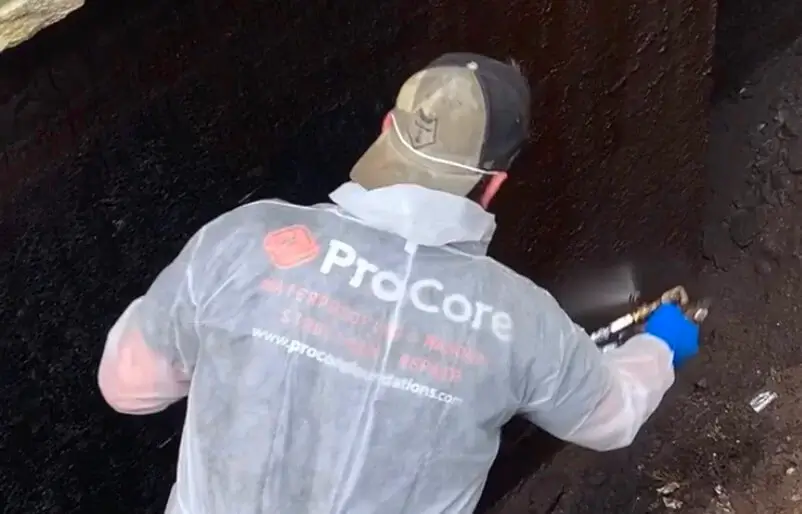
Protect Your Home with the Right Structural Solution
Structural repair starts with understanding what is moving, why it is happening and what needs to be stabilized. ProCore will assess the problem, explain the findings and recommend a repair strategy based on the conditions at your home.
CALL (613) 667-1214 or Request a Free Quote
Get a Free Quote
"*" indicates required fields